Renter experience
Privacy, security, amenity and functional shared spaces.

MODERN SHARED LIVING
Private spaces, shared amenities and multiple income streams designed around the needs of today’s renters.
THE MODEL
Co-living combines private bedrooms or studios with shared kitchens, living areas and amenities. Strong outcomes depend on renter experience, location, reliable management and an honest assessment of vacancy and operating expenses.
Privacy, security, amenity and functional shared spaces.
Several room or studio rental streams.
Leasing, cleaning, utilities and resident management.
Demand near employment, education and transport.
CO-LIVING HOME DESIGNS
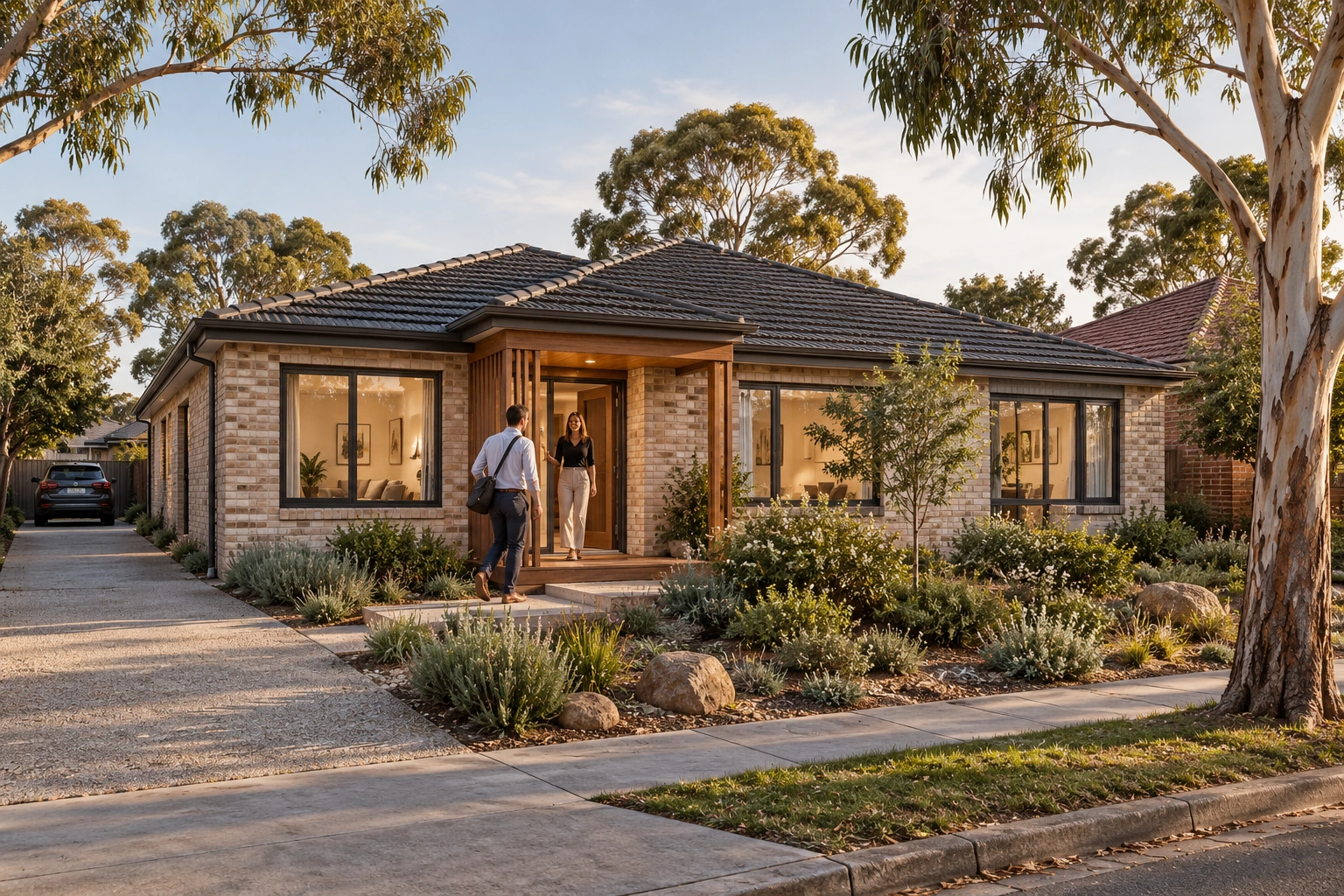

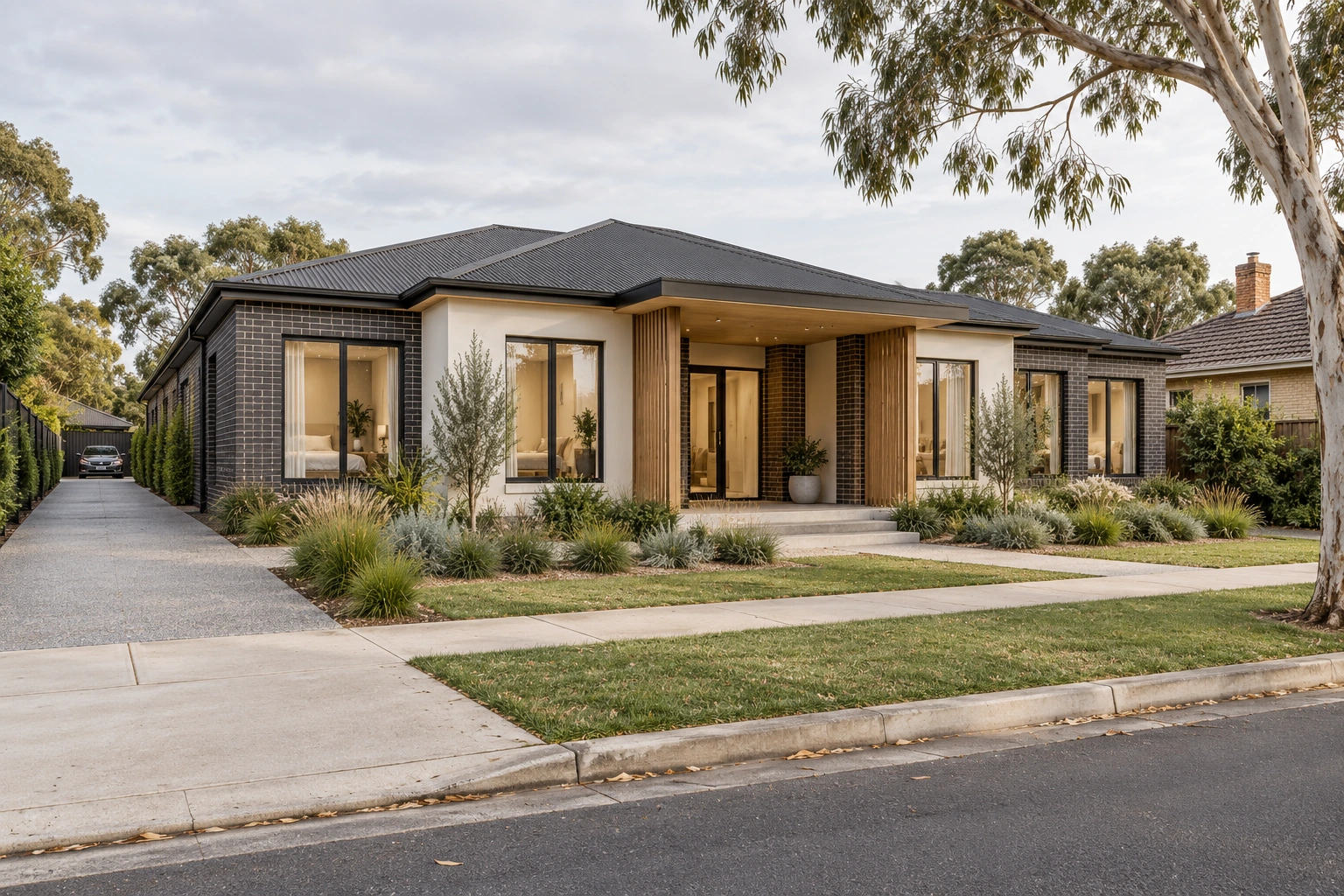
Illustrative images only; these do not identify specific listed properties. Layouts, inclusions and approvals vary.
A successful co-living asset must work for residents as well as the investor.
Room sizes, bathrooms, acoustics, storage, natural light and shared amenity.
Target resident profile, affordability, local alternatives, vacancy and achievable rents.
Management, furnishing, utilities, cleaning, maintenance, compliance and turnover.
COMPARE THE MODELS
Co-living changes how a home is occupied and managed. Compare the income opportunity alongside the extra responsibilities and costs.
| Consideration | Standard rental | Co-living |
|---|---|---|
| Rental arrangements | Usually one tenancy for the whole home, even when several people live there. | Individual room or studio agreements, with shared amenities. |
| Income | One agreed rental amount for the property. | Several rental streams. Combined gross income may be higher, depending on room rents and occupancy. |
| Vacancy | A vacant property can mean no rental income. | An empty room may leave other room rents intact. Several rooms can still become vacant together. |
| Operating costs | Tenants commonly arrange their own utilities; owner costs depend on the lease. | Utilities, internet, furnishings and communal cleaning may be owner-funded and must be budgeted. |
| Management | One tenancy, routine inspections and property maintenance. | Room leasing, resident turnover, shared-space upkeep and coordination between residents. |
| Design and approvals | Assessed for its approved residential use. | Privacy, bathrooms, acoustics and shared facilities matter. Confirm the proposed use, classification and applicable approvals. |
| Finance and resale | Assessed by the lender and valuer for the property and borrower. | Confirm lender acceptance, valuation treatment and the future buyer market for the specific design and use. |
Compare net income after vacancy and operating costs, then test the borrowing costs. Multiple leases do not guarantee a higher return or eliminate vacancy.
THE INVESTMENT SNAPSHOT
Each site needs its own feasibility. Obtain a written scope, itemised cost plan, finance assessment and delivery program before committing.
PARTNER BUILD TIMEFRAME
Indicative partner construction timeframe. The project-specific program must confirm the start date, approvals, site readiness and completion milestones. Land acquisition, design, approvals and tenanting can add time.
PARTNER OCCUPANCY OFFER
A 75% occupancy guarantee for five years is available through participating partner offerings, subject to eligible properties and the partner’s written terms.
Confirm the provider, how occupancy is measured, when the five-year period starts, exclusions and what remedy applies to a shortfall. This is a partner arrangement, not a Consilium income guarantee.
PARTNER DELIVERY EXPERIENCE
Projects delivered in the relevant delivery partner’s track record, rather than Consilium’s own project count. Ask for the supplying partner’s portfolio and references for the opportunity being considered.
Hypothetical figures in Australian dollars, created to explain the calculation. These are not an available property, quotation, market cost guide or forecast.
| Budget item | Example allowance |
|---|---|
| Land / site acquisition | $450,000 |
| Construction and site works | $430,000 |
| Design, consultants and approvals | $20,000 |
| Acquisition taxes, legal and settlement costs | $25,000 |
| Furnishing and initial setup | $15,000 |
| Contingency allowance | $60,000 |
| Example project budget | $1,000,000 |
Construction interest, loan fees, holding expenses before tenanting and any additional project costs need a separate allowance. Actual taxes, inclusions and contingency requirements vary.
WORK THROUGH THE NUMBERS
A hypothetical five-room property, with each room renting for $350 per week, illustrates how vacancy, operating costs and finance change the outcome. Room count, rents and every cost below are assumptions, not a rental appraisal.
| Calculation | Assumption / method | Annual amount |
|---|---|---|
| Gross rent at full occupancy | 5 rooms × $350 × 52 weeks | $91,000 |
| Vacancy allowance | 10% of full-occupancy rent | −$9,100 |
| Rent after vacancy | 90% assumed occupancy | $81,900 |
| Management and leasing | 10% of rent after vacancy; assumed to include leasing costs | −$8,190 |
| Utilities and internet | Example annual allowance | −$6,000 |
| Communal cleaning | Example annual allowance | −$3,000 |
| Rates, water charges and insurance | Example annual allowance | −$4,500 |
| Maintenance / furnishing reserve | Example annual allowance | −$2,500 |
| Land tax | Example allowance; actual liability depends on ownership and holdings | −$2,000 |
| Net operating income | After vacancy and the listed operating allowances, before finance and income tax | $55,710 |
| Loan interest | $750,000 × assumed 6.5% interest-only rate | −$48,750 |
| Illustrative cash surplus | Before principal repayments, income tax and any additional fees or expenses | $6,960 |
On the $1 million example budget, full-occupancy gross income is 9.10%, vacancy-adjusted gross income is 8.19%, and net operating income before finance and income tax is 5.57%. These percentages use project cost, not an independent market valuation, and are not a return on the investor’s cash contribution. The 6.5% interest rate is hypothetical, not a current lending quote.
At 75% actual occupancy, using the same room rent, 10% management fee and $18,000 of other annual operating allowances, the example produces a $5,325 annual cash shortfall after loan interest. At 90% occupancy with a 7.5% interest rate, it produces a $540 annual shortfall.
These scenarios assume no guarantee payment or remedy. A partner occupancy guarantee is not a guarantee of profit or mortgage coverage; its effect depends on the actual agreement.
Actual room rents, vacancy, expenses and lender terms need property-specific evidence. Learn more about investment property costs and borrowing through ASIC’s Moneysmart guidance.
END-TO-END DELIVERY
Consilium keeps the property strategy, feasibility and delivery decisions connected, while coordinating relevant licensed and technical specialists where required.
Define your goals, budget, borrowing position, target income, growth priorities, timeframe and risk limits before considering a property.
Research renter profiles, achievable room rates, vacancy, transport, employment, education, competing supply and local planning constraints.
Test purchase and delivery costs against realistic rent, vacancy, utilities, furnishing, management, maintenance, valuation and resale assumptions.
Coordinate review of privacy, acoustics, bathrooms, shared amenity, fire safety, access, planning and building requirements with appropriate specialists.
Support builder or developer selection, inclusions, milestones, variations, progress communication, inspections and handover preparation.
Plan operator or property-manager engagement, furnishing, utilities, marketing, leasing and a post-tenanting review of actual performance.
The terms can overlap, but co-living usually describes the resident experience and shared-living model, while rooming house can be a regulated accommodation category. The applicable legal status must be checked.
Demand can come from professionals, students, key workers and people seeking flexible, well-managed and more affordable accommodation.
We look beyond advertised gross rent by allowing for realistic vacancy, management, utilities, cleaning, internet, furnishing, maintenance, insurance and compliance costs. Returns are projections, not guarantees.
Requirements vary by property, intended use and location. Planning approval, building classification, fire safety, access and local registration may need confirmation from qualified specialists before you commit.
Consilium can help coordinate handover readiness, operator or property-manager introductions, furnishing, utilities and tenanting preparation, followed by a review once actual operating results are available.
EXPLORE CO-LIVING
We can help you compare locations, designs, operations and risks.
Book a strategy call ↗